

Swimming Pool Accident Attorney In Cheshire, CT
Swimming pools, both public and private, can provide a welcome respite from summer’s heat, but they can also pose a danger to users’ safety if they aren’t properly maintained. If you’ve been injured in or around a pool, you can work with a Cheshire swimming pool accident lawyer to recover compensation for your pain and suffering.
Trust Williams, Walsh & O’Connor, LLC
The team at Williams, Walsh & O’Connor, LLC has over 150 years of collective experience in the practice of personal injury law. In our time in practice, we’ve handled countless swimming pool accident cases, including those with complex liability issues associated with them, as is sometimes the case with public pools. Whether you were swimming in a public pool or your neighbor’s backyard, we can help you file a swimming pool accident claim.
Why Hire a Swimming Pool Accident Lawyer?
Over a recent ten-year period, 43 children accidentally drowned in Connecticut. Many of those deaths occurred in swimming pools. Between 2019 and 2023, there were 20 drowning deaths among children, an average of four per year. You don’t have to lose your child to suffer as a result of a pool owner’s negligence, though. Non-fatal injuries occur in and around swimming pools all the time and affect people of all ages.
Anyone who has been injured in or around a pool should hire a swimming pool lawyer to help them file a claim against the responsible party. Both public and private pool owners are responsible for ensuring the safety of the people who use their pools. A lawyer can help you hold the owner and any other liable party responsible for their negligence in maintaining or otherwise ensuring the safety of their facilities.
Common Dangers Seen in and Around Swimming Pools
When most people think about the dangers of swimming pools, their minds are immediately drawn to the worst-case scenario of drowning. As any Cheshire swimming pool accident attorney can attest, there are many more non-fatal accidents that occur each year as a result of pool use. They can include:
- Slips and falls on pool decks
- Electrocutions due to electrical defects
- Falls on ladders and stairs
- The use of unsafe pool toys
- Injuries due to using pool slides or diving boards
The dangers are even greater at water parks. Attractions often include large water slides, slippery pool decks and walkways, and other hazardous conditions.
Pool Disclaimers and Safe Practices
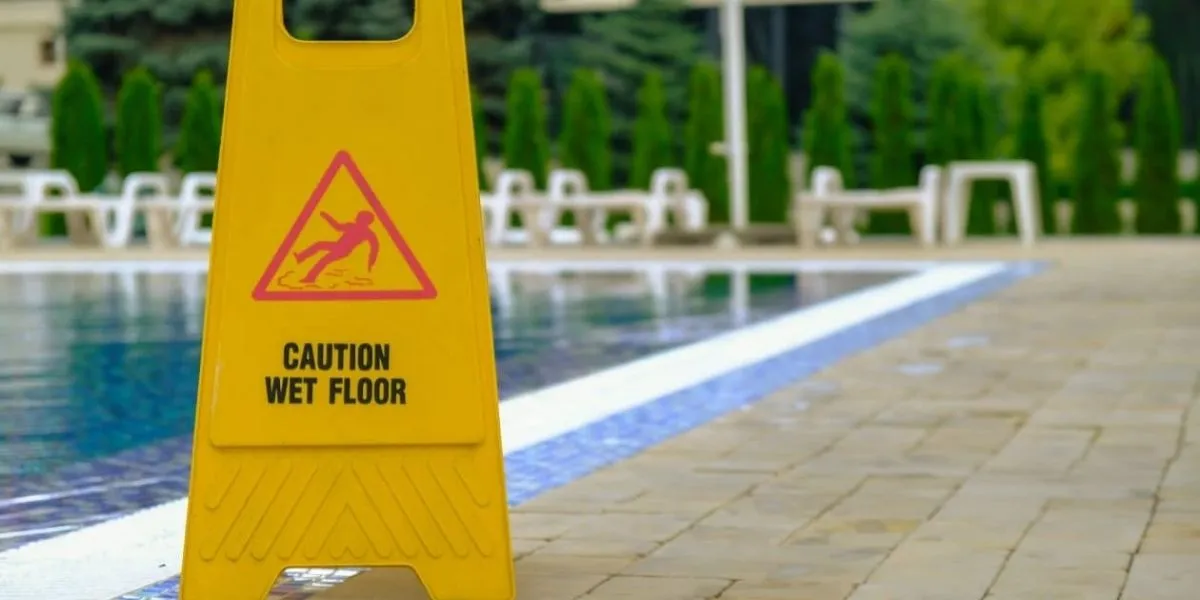
Pool owners aren’t just required to secure their premises. They must also provide a safe environment by utilizing equipment such as pool covers and self-latching gates, and keeping electronics away from the pool area. They must also warn pool users of any potential risks, typically by posting a sign.
Children and the Attractive Nuisance Doctrine
In most cases, property owners are only liable for injuries that occur to people they invite to their properties. There is an exception for swimming pool owners, though, and it comes in the form of the attractive nuisance doctrine.
The attractive nuisance doctrine holds property owners responsible for injuries to children on their premises because the pool might entice them to trespass. Protecting unsupervised children is the responsibility of the pool owner. You can fulfill your obligation by putting up a fence around the pool or installing a pool cover that prevents children from easily accessing it.
Public Pool Liability
Public pool owners must follow a different set of regulations under state and federal law. If you get injured at the Cheshire Community Pool or a similar facility, you may still be able to file a claim. This is particularly true if a child was injured while under the supervision of a responsible adult, such as a lifeguard. Waterparks also fall under the purview of public pools and are more prone to personal injury claims than the usual community pools.
FAQs
What Type of Liability Would a Person With a Swimming Pool Have?
The type of liability a person with a swimming pool would have is called premises liability. What this means is that they would be legally responsible for any injuries that occurred in or around their swimming pools due to unsafe conditions. Pool owners must maintain pool fences, covers, and decks, and warn visitors of any known hazards. If someone failed to take these precautions, you may be able to recover compensation for your injuries.
What Does Insurance Cover on a Pool?
What insurance may cover on a pool includes damage from events such as fires, vandalism, and falling trees, and liability protection in the event that someone gets hurt in or around the pool. If someone files a claim against you for an injury they incurred while using your pool, your homeowners’ insurance policy should cover the damages up to your policy limits.
Are Pools a Liability?
Pools can be a liability because they increase the risk of injury on your property. Owners must take extensive measures to ensure the safety of their pools, including things like installing fencing, maintaining the pool and deck, and obtaining sufficient insurance coverage to cover damages should someone be injured in or around the pool.
Is a Lifeguard Liable if Someone Drowns?
A lifeguard can be liable if someone drowns if the person’s death was due to the lifeguard’s negligence. If the lifeguard was breaking the rules or simply not paying attention, and that directly contributed to the death, they can be held liable. Facility owners may also be liable if they failed to provide adequate staffing or to ensure that staff were properly trained.
Your Cheshire Swimming Pool Accident Lawyer
If you or your child has experienced an injury as a result of a swimming pool accident, you may be eligible to recover compensation from the pool’s owner with the help of a Cheshire swimming pool accident lawyer. The team at Williams, Walsh & O’Connor, LLC has extensive experience in assisting clients with their swimming pool accident claims. We can help you, too. Contact us to schedule an initial consultation today.


